Introduction
Festivals in India are an intricate blend of rituals, beliefs, community spirit, and cultural expression. In Northeast India, where tribal societies flourish with deep-rooted traditions and oral histories, festivals serve as powerful symbols of identity and continuity. One such festival is Tokhu Emong, celebrated by the Lotha tribe of Nagaland. A post-harvest festival of joy, thanksgiving, reconciliation, and community bonding, Tokhu Emong encapsulates the spirit of the Lothas and serves as a cultural anchor in the fast-changing tribal landscape.
Unlike many festivals that have undergone significant dilution due to urbanization or religious conversions, Tokhu Emong has not only retained its essential elements but also adapted its practices to modern contexts, ensuring that the cultural ethos of the Lotha Nagas remains vibrant and meaningful.
The Lotha Tribe: An Overview
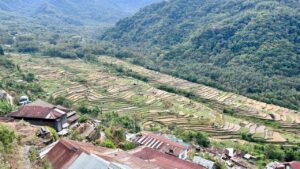
The Lotha Nagas are one of the major indigenous tribes in Nagaland, primarily inhabiting the Wokha district. The name “Lotha” refers to both the people and their language, which is part of the Tibeto-Burman language family. Traditionally, the Lothas practiced jhum (slash-and-burn) cultivation, relying heavily on the land and nature’s rhythms for sustenance.
Social life among the Lothas is organized around clans and kinship systems, and much of their history has been passed down orally through folklore, songs, and community gatherings. Though many Lothas converted to Christianity in the 20th century, they have maintained a strong sense of cultural identity, with festivals like Tokhu Emong playing a crucial role in unifying the community.
Etymology and Timing of Tokhu Emong
The name “Tokhu Emong” is deeply symbolic:
- “Tokhu” means feast or celebration.
- “Emong” translates to community gathering, togetherness, or coming together.
Thus, Tokhu Emong literally translates to “Feast of Togetherness.” It is celebrated in the first week of November, with the main day generally falling on November 7. Originally, the celebration would last for nine days, each day having specific customs and rituals. Today, the duration may vary depending on the context—village, town, or city—but the spirit remains unchanged.
Historical Roots and Agrarian Relevance
Tokhu Emong is fundamentally a harvest festival, rooted in the agrarian lifestyle of the Lotha tribe. The traditional agricultural cycle culminates in November when the fields yield their crops. After months of hard work, the harvest season is a time of relief and rejoicing, and Tokhu Emong is the cultural expression of this collective emotion.
In pre-Christian times, the Lothas believed in various nature spirits and deities. They would offer prayers and sacrifices to appease them and seek blessings for the next cycle. While the overtly religious aspects of the festival have evolved, its underlying spiritual significance—giving thanks for abundance and reaffirming social bonds—remains as relevant as ever.
Core Rituals and Celebrations
- Expression of Gratitude
The essence of Tokhu Emong is thanksgiving. It is a time to thank the divine forces and nature for a good harvest, good health, and community well-being. Traditionally, this involved prayers, invocations, and symbolic offerings. While contemporary celebrations may take place in churches and community halls, the message of gratitude is deeply instilled.
- Community Feast
One of the most visible and joyous aspects of Tokhu Emong is the grand feast. Every household participates, preparing special meals using freshly harvested crops, meats (especially pork and beef), and rice beer (zu). Villagers contribute to communal cooking and invite guests, strangers, and neighbors alike. Sharing food reinforces values of hospitality, unity, and generosity.
- Reconciliation and Forgiveness
Perhaps the most socially meaningful tradition of Tokhu Emong is the practice of forgiveness and reconciliation. Old feuds, misunderstandings, and disputes—whether between individuals, families, or clans—are expected to be resolved during this time. People reach out to those they have wronged or have been wronged by and exchange tokens of peace.
This ritual affirms the idea that a harvest celebration is incomplete without social harmony. It is one of the few festivals that institutionalize forgiveness as a ritual, showcasing the Lotha tribe’s progressive and compassionate societal structure.
- Exchange of Gifts
During Tokhu Emong, there is also an exchange of gifts and tokens of love. These may include food items, traditional clothes, handmade artifacts, or livestock. Gifts are exchanged among friends, relatives, and even between different villages. This practice fosters interpersonal bonds and inter-village solidarity.
- Cultural Performances
The evenings during Tokhu Emong are filled with folk dances, music, and traditional games. Performers don their finest traditional attire—men wear ornamental headgear, cane shields, and spears, while women wear beautifully woven shawls and intricate jewelry.
Dances are often narrative, depicting historical events, moral tales, or agricultural practices. Songs composed in the Lotha language are sung by elders and youth alike, ensuring the oral transmission of folklore and values. These performances are not just entertainment—they are a form of cultural preservation and education.
Role of Traditional Attire and Symbols
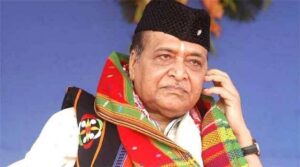
Clothing plays an important role in Tokhu Emong, symbolizing pride, status, and identity. The Lotha shawl, in particular, is a significant cultural artifact. Each pattern and color represents aspects of tribal identity, and some shawls are reserved for warriors or clan leaders.
Men may also wear ornaments made from animal bones, boar tusks, or bird feathers, symbolizing courage and hunting prowess. Women wear handcrafted necklaces, bangles, and earrings, often passed down through generations.
These traditional elements serve as visual markers of heritage and allow younger generations to remain connected to their roots.
The Modern-Day Tokhu Emong
Urban Celebrations
With increasing urban migration, many Lothas now live in cities like Kohima, Dimapur, and even outside Nagaland. However, Tokhu Emong continues to be celebrated with enthusiasm in these urban areas, often organized by student unions, cultural bodies, and church groups.
In such settings, the festival becomes a stage for cultural showcases, competitions, and seminars. While the format may differ, the aim remains the same—to unite the community, celebrate identity, and pass on traditions.
Education and Cultural Revival
Tokhu Emong has also taken on an educational dimension. Schools and universities often conduct workshops, lectures, and exhibitions during the festival to educate both Lotha and non-Lotha students about the tribe’s rich history and customs. This helps bridge generational gaps and promotes cultural empathy among diverse communities.
Media and Tourism
With the advent of social media and digital storytelling, Tokhu Emong is gaining visibility beyond the tribal community. Cultural documentaries, Instagram reels, and YouTube vlogs now document the festival, generating interest among scholars, tourists, and cultural enthusiasts. While tourism is not yet a central part of the celebration, it has the potential to grow as a sustainable cultural tourism model.
Academic Importance and Cultural Value
From an academic perspective, Tokhu Emong offers a case study in:
- Ritual anthropology: Studying how festivals shape social relationships.
- Cultural resilience: Exploring how indigenous festivals survive and adapt post-colonial and post-conversion transitions.
- Ecological anthropology: Understanding the deep connections between nature, agriculture, and tribal traditions.
- Sociology of peacebuilding: Examining how traditional societies embed mechanisms of conflict resolution in their cultural practices.
In a time when global homogenization threatens localized traditions, Tokhu Emong serves as an inspiring model of cultural survival through celebration.
Conclusion
Tokhu Emong is not merely a harvest festival; it is a living, breathing expression of Lotha identity, cultural pride, and social values. Its rituals of gratitude, generosity, reconciliation, and artistic expression make it one of the most spiritually enriching festivals in India.
As the Lotha tribe continues to evolve in modern contexts, Tokhu Emong serves as a compass that connects the past with the future, ensuring that no matter where they are, the Lothas carry their culture with them. For educators, students, and cultural observers, Tokhu Emong is more than a celebration—it is a profound testament to the beauty of indigenous heritage, the power of community, and the enduring spirit of cultural unity.