Introduction
Festivals are the vibrant threads that weave together the cultural fabric of any community. In Mizoram, a state in Northeast India known for its scenic hills, lush greenery, and rich traditions, festivals play a pivotal role in maintaining cultural continuity and celebrating seasonal transitions. One of the most important and ancient festivals in Mizoram is Pawl Kut, a post-harvest festival marked by joyful feasting, music, and traditional dance. It is a time of gratitude, celebration, and communal harmony.
Etymology and Meaning of Pawl Kut
The term Pawl Kut can be broken into two components — Pawl, which refers to “straw”, and Kut, which means “festival” in the Mizo language. Thus, Pawl Kut literally translates to “Straw Harvest Festival.” It signifies the period following the harvest of crops, especially maize and rice, when the fields are full of straw and the granaries are filled. It is a time when the hard work of the agricultural season is rewarded, and the people come together to thank the divine for a successful harvest.
Historical and Cultural Origins
The origin of Pawl Kut is deeply embedded in the agrarian lifestyle of the Mizos, particularly during their early settlement in the Chin Hills, which now lie in present-day Myanmar. Oral traditions and folklore suggest that Pawl Kut originated as a way to express gratitude to the supreme deity for delivering the people from famine.
One notable story dates back several centuries when the Mizo people experienced a severe famine that lasted for two years. In the third year, they were blessed with a bountiful harvest. To celebrate the end of starvation and to express their thankfulness to the divine, they organized a festival. This moment of collective relief and celebration laid the foundation for what would evolve into the Pawl Kut festival.
Over the centuries, as the Mizo people migrated and settled in various parts of the Lushai Hills (now Mizoram), they continued to observe this annual tradition. While Pawl Kut retains its agricultural essence, it has also grown into a powerful symbol of Mizo cultural identity and community spirit.
When and How Pawl Kut is Celebrated
Pawl Kut is usually celebrated in the month of December, after the completion of the harvest season. The specific date can vary from one community to another, but the timing remains centered on the end of the agricultural cycle. This festival typically lasts for two to three days, with various rituals, performances, and communal meals.
Preparations
Before the festival begins, extensive preparations are made by the entire community. Homes are cleaned and decorated, food items are gathered, and traditional attire is prepared for the celebrations. In earlier times, the villagers would prepare by slaughtering pigs or other livestock, storing rice beer (zu), and cooking traditional Mizo dishes to be shared communally.
The central theme of preparation revolves around sharing and togetherness — an intrinsic part of Mizo society. Even today, the sense of community support during Pawl Kut is strong, and everyone, regardless of age or economic status, is included in the celebrations.
Major Rituals and Traditions of Pawl Kut
1. Chhawnghnawh Ceremony
One of the most unique and symbolic aspects of Pawl Kut is the Chhawnghnawh ceremony. In this ritual, parents feed meat and eggs to their children, symbolizing a prayer for their health, well-being, and prosperity. The act represents the love and care of parents as well as their aspirations for the next generation.
The ceremony is often conducted with the entire family gathered together, reinforcing familial bonds. The children are seated in a row, and the elders feed them with their own hands while invoking blessings. This symbolic gesture reflects the festival’s deep emphasis on familial unity and the value of nurturing future generations.
2. Feasting
Feasting is one of the highlights of Pawl Kut. The meals are lavish and communal, comprising traditional Mizo dishes such as bai (vegetable stew), vamkawr (pork curry), chhum han (steamed rice and vegetables), and other meat-based dishes. Rice beer is often consumed during the feast, though with moderation in modern celebrations.
Food is cooked in large quantities and shared with neighbors and guests. This tradition of communal eating emphasizes the Mizo values of hospitality, sharing, and egalitarianism. In earlier times, even the poorest of families would make an effort to contribute to the communal feast.
3. Traditional Songs and Dances
During Pawl Kut, traditional songs and dances become the soul of the celebration. Folk music performances include songs of gratitude, storytelling ballads, and tunes celebrating nature and fertility. Instruments like the bamboo flute, drums, and guitars accompany the singing.
The Cheraw dance (popularly known as the bamboo dance), although more commonly associated with Chapchar Kut, may also be performed in some communities as part of the festive entertainment. Group dances with traditional attire — the puan (Mizo shawl), headgear, and jewelry — reflect the cultural pride and identity of the Mizo people.
These artistic expressions are more than just entertainment — they are a means of cultural transmission. The oral tradition, music, and dance ensure that stories, history, and values are passed from one generation to the next.
4. Sporting Events and Games
In some regions, Pawl Kut celebrations are accompanied by friendly competitions and traditional games, especially for the youth. Events may include traditional wrestling, archery, and modern games like football. These recreational activities serve as a way of strengthening community bonds and encouraging the spirit of healthy competition and teamwork.
Significance of Pawl Kut in Mizo Society
1. Gratitude and Harvest
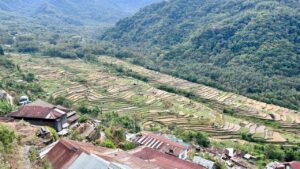
At its core, Pawl Kut is an expression of gratitude — to nature, to the divine, and to the community. It acknowledges the tireless efforts of farmers, the blessings of the environment, and the interconnectedness of life. In a society heavily reliant on jhum cultivation (shifting agriculture), the harvest is a crucial event, and Pawl Kut is a time to reflect on the rewards of that labor.
2. Community and Unity
Pawl Kut fosters communal harmony. It breaks down social and economic barriers by encouraging everyone to come together, share food, sing, and dance. In a rapidly modernizing world, festivals like Pawl Kut offer an important reminder of communal values and shared heritage.
3. Cultural Identity
For the Mizo people, Pawl Kut is a living tradition that strengthens their cultural identity. Despite the advent of Christianity and modern influences in Mizoram, Pawl Kut continues to be celebrated, though with adaptations that respect contemporary sensibilities. Churches and village councils often help organize the festivities, blending traditional and modern elements seamlessly.
4. Intergenerational Bonding
The Chhawnghnawh ritual and family gatherings during Pawl Kut play a crucial role in bridging generational gaps. Young members learn about their heritage, rituals, and values, while elders find an opportunity to pass on their wisdom and blessings. This exchange nurtures respect, love, and continuity within families.
Contemporary Observations and Challenges
While Pawl Kut remains a prominent festival, modern lifestyles and urbanization have impacted the way it is celebrated. Today, it is often observed more as a cultural festival than a religious or agrarian ritual. Government agencies, schools, and cultural organizations hold Pawl Kut programs that include stage performances, exhibitions, and competitions.
Despite this evolution, there are concerns regarding the erosion of traditional knowledge, especially in urban areas where younger generations may be less connected to their agrarian roots. Efforts are being made to document oral traditions, involve schools in cultural education, and promote festivals like Pawl Kut as part of the state’s intangible cultural heritage.
Pawl Kut in the Larger Context of Mizo Festivals
Mizoram is known for its three main traditional festivals: Chapchar Kut, Mim Kut, and Pawl Kut. While Chapchar Kut marks the preparation for jhum cultivation and Mim Kut is observed in memory of the dead during the maize harvest, Pawl Kut stands out as a celebration of life, abundance, and continuity.
The harmonious trio of these festivals represents the Mizo worldview — one that balances respect for nature, reverence for ancestors, and celebration of life’s bounty.
Conclusion
Pawl Kut is much more than a festival — it is a cultural mirror that reflects the values, resilience, and artistic spirit of the Mizo people. Rooted in gratitude and shared prosperity, it continues to be a beacon of cultural pride and community cohesion. As Mizoram evolves and modernizes, festivals like Pawl Kut play an increasingly vital role in preserving indigenous traditions, nurturing identity, and celebrating the enduring spirit of togetherness.
In an age where individualism often overshadows community, Pawl Kut reminds us of the beauty and necessity of coming together, sharing what we have, and giving thanks for life’s simplest yet most significant blessings.