Introduction
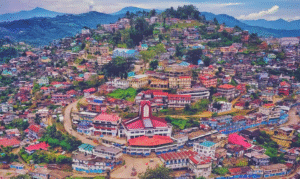
Mizoram, one of the northeastern states of India, is a land rich in cultural vibrancy, traditions, and unique artistic expressions. Among its numerous cultural treasures, the Cheraw Dance, also known as the Bamboo Dance, stands out as one of the most iconic and visually captivating traditional dances. It is not merely a performance; it is a rhythmic harmony of movement, coordination, and celebration, deeply rooted in the identity of the Mizo people. Recognized for its aesthetic beauty and technical precision, Cheraw is not only a cultural marker but also a bridge between past and present, sustaining communal values and artistic excellence.
This blog aims to explore Cheraw from an academic lens, touching upon its historical origins, cultural significance, performance elements, rituals, attire, musical accompaniments, social symbolism, and its contemporary relevance in Mizoram and beyond.
Origins and Historical Context
The origins of Cheraw are embedded in the early traditions of the Mizo tribes. Although the exact timeline of its inception is difficult to trace, oral traditions suggest that the dance existed long before the advent of colonial influence in the region. Initially performed as a ceremonial dance during important rites such as funerals or agricultural rituals, Cheraw gradually evolved into a celebratory performance associated with festivals and community gatherings.
In ancient times, it is believed that the dance was performed to ensure safe passage for the soul of a deceased woman who died during childbirth. Over time, its role shifted from a ritual of mourning to one of festivity and joy, symbolizing renewal and communal harmony. As agriculture remained central to Mizo life, many festivals—including Chapchar Kut, celebrated after the clearing of the fields—featured Cheraw as a form of thanksgiving and joyous expression.
The Dance Mechanics: Rhythm, Movement, and Bamboo
At the core of Cheraw lies the use of bamboo staves, which are arranged horizontally on the ground and clapped together rhythmically by male performers. Typically, six to eight long bamboo poles—each around 8 to 10 feet—are placed in parallel pairs on the floor. Two to four men sit at either end of these poles and move them in a beat pattern: opening and closing them horizontally and vertically.
The challenge for the female dancers is to step and dance between the moving bamboo poles in perfect synchronization, without getting their feet caught. This requires precision, agility, and an intuitive understanding of rhythm. The footwork is intricate and graceful, consisting of hopping, sliding, and crossing steps, often increasing in speed as the performance progresses.
The movement of the bamboo poles creates a distinct percussive sound, which serves both as rhythm and music. Unlike other traditional Indian dances that depend heavily on instrumental or vocal accompaniment, Cheraw’s music is inherently built into its mechanical framework.
Attire and Aesthetics
Costume plays an essential role in enhancing the visual appeal of Cheraw. Female dancers usually wear vakiria—a traditional headgear adorned with feathers and beads—paired with puan chei, a vibrant, handwoven wraparound skirt, and a blouse of matching or contrasting colors. Bright red, yellow, black, and white are common color schemes, symbolizing prosperity and joy.
Accessories include necklaces, earrings, and ornamental belts, which move rhythmically with the dancers, further enriching the performance. Male performers, who control the bamboo poles, often dress in traditional attire, though simpler than the dancers, allowing full focus to remain on the dance.
The synchronized movement, vivid attire, and coordinated bamboo rhythm create a mesmerizing spectacle, reflecting the community’s artistic sensibilities and appreciation for symmetry and form.
Cultural Significance
Cheraw is more than just a dance—it is a living testament to the Mizo community’s values, history, and collective memory. The dance emphasizes the importance of community coordination, where every member—whether dancer or pole handler—must act in harmony. This promotes unity, teamwork, and mutual respect, values held dearly in Mizo society.
Furthermore, its performance during festivals like Chapchar Kut is symbolic of renewal, hope, and prosperity. After the hard labor of field preparation, communities come together in celebration, and Cheraw becomes a communal expression of resilience and gratitude toward nature.
Women play a central role in the dance, highlighting their active participation and status in Mizo culture. Unlike many patriarchal structures found in other regions, Mizo society grants significant roles to women in cultural life, and Cheraw is a fine example of that inclusive ethos.
Occasions and Ceremonial Integration
While Cheraw was originally associated with rites concerning death and rebirth, its contemporary performance is largely festive. The most prominent occasion is Chapchar Kut, celebrated in March after the jungle-clearing (called jhum) but before sowing. The community takes a break from the physically demanding agricultural work and indulges in music, dance, and feasting.
In addition to Chapchar Kut, Cheraw is performed during:
- Mim Kut: A post-harvest festival in memory of the departed.
- Pawl Kut: A winter festival of joy and abundance.
- Public exhibitions and cultural festivals: Representing Mizoram in national and international cultural events.
- School and community programs: Promoting cultural heritage among younger generations.
This shift from ritualistic use to cultural celebration illustrates the dance’s adaptive nature and its enduring relevance in modern Mizoram.
Musicality and Rhythmic Patterns
Cheraw does not rely on traditional instruments in its original form. The clapping bamboo poles themselves serve as both rhythm and tempo-keeper. However, modern variations of the dance incorporate traditional Mizo instruments such as:
- Khuang (drum): Provides a resonant bass that supports the bamboo beat.
- Ting-tong (gong): Adds melodic undertones.
- Flutes and gongs: Occasionally used in large performances to enhance the musicality.
The rhythm usually begins slow, allowing dancers to align their movements with the pole claps. Gradually, the tempo increases, creating a crescendo of energy and excitement. This structure not only tests the dancer’s agility but also enhances the dramatic effect, captivating audiences throughout.
Skills, Training, and Transmission
Learning Cheraw requires rigorous practice, concentration, and muscle memory. It is traditionally taught within the community, where elder dancers and cultural mentors guide younger learners through informal instruction. Today, Cheraw is also taught in schools and cultural academies as part of preserving intangible cultural heritage.
Children often start learning basic movements and gradually progress to more complex steps. Training emphasizes rhythm counting, spatial awareness, timing, and teamwork. Competence in Cheraw is a matter of pride among the youth, as it connects them with their cultural roots while showcasing their skill.
The dance is also documented and standardized by cultural bodies like the Mizoram State Arts and Culture Department, ensuring consistency and preservation.
Contemporary Relevance and Global Recognition
Cheraw has transcended regional boundaries and is now recognized across India and internationally as one of the most visually stunning traditional dances. It has been featured in:
- Republic Day Parades in New Delhi, showcasing India’s cultural diversity.
- International folk dance festivals, where Mizoram’s troupe often draws significant appreciation.
- Tourism promotions and documentaries, symbolizing the spirit of northeast India.
Its inclusion in school curriculum and folk festivals helps keep the tradition alive, while innovations in costume, stage design, and choreography attract younger audiences.
In 2010, Cheraw made headlines when Mizoram set a Guinness World Record for the largest Cheraw dance performance, involving over 10,000 participants. Such recognition not only honors the art form but also strengthens its identity on the global cultural map.
Symbolism and Interpretations
Cheraw can be seen as a metaphor for life itself. The dance between the clashing bamboo poles symbolizes navigating through life’s challenges with grace, awareness, and agility. One misstep could lead to failure, just as in real life. Yet, with balance, courage, and coordination, one can succeed and even flourish.
The bamboo poles represent rhythm, order, and challenges—while the dancer’s grace symbolizes hope, adaptability, and resilience. This profound symbolism contributes to its academic study and its relevance as a socio-cultural phenomenon.
Preservation and Future Directions
While Cheraw remains popular in Mizoram, its survival depends on active documentation, education, and performance. Key strategies for its preservation include:
- Incorporating it into school and college curricula.
- State-sponsored cultural programs and workshops.
- Incentivizing research and publication on Mizo dance forms.
- Digital archiving of performances and oral histories.
- Collaborations with national arts councils, such as the Sangeet Natak Akademi.
The youth of Mizoram play a crucial role in this mission. With increasing migration and modernization, there is a risk of cultural dilution. Yet, the vibrancy of Cheraw persists, thanks to continued community efforts and state support.
Conclusion
Cheraw, the traditional bamboo dance of Mizoram, is a magnificent cultural expression that embodies the community’s rhythm, grace, and resilience. With roots in ancient ritual and a current presence in festive celebrations, Cheraw has adapted over generations without losing its essence. It exemplifies how traditional art can be both a living heritage and a medium of modern cultural diplomacy.
As a dance that relies on coordination, timing, and community participation, Cheraw teaches invaluable lessons beyond performance—lessons of unity, cultural identity, and the enduring spirit of the Mizo people.