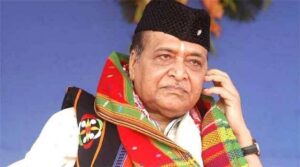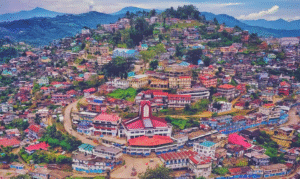
In the rich political tapestry of Meghalaya, a few names shine with an exceptional legacy of leadership, service, and dedication. Among them stands Roshan Warjri, the first woman to become the Home Minister of Meghalaya. Her appointment marked a turning point not only in the political history of the state but also in the broader narrative of women’s empowerment in Northeast India. Beyond politics, Warjri is known for her passionate work as a social worker who has tirelessly advocated for women’s rights, education, and community development.
This blog takes a deep dive into the life, achievements, and enduring impact of Roshan Warjri.
Early Life and Background
Roshan Warjri hails from Meghalaya, one of the few Indian states where matrilineal traditions are still practiced. Born into a society where women enjoy a relatively elevated status, she grew up in a progressive environment that helped shape her aspirations. From an early age, Warjri was drawn toward public service and community development. Her experiences within Meghalaya’s unique sociocultural structure gave her the confidence and insight to step into public life.
She pursued her early education in Shillong, the capital of Meghalaya, and over the years, built a strong reputation as a grassroots leader. Her involvement in various social welfare initiatives made her a respected figure in her community even before she entered formal politics.
Entry into Politics
Roshan Warjri’s political journey began with her active participation in local governance and women’s organizations. Her grassroots activism and consistent engagement with community issues, especially those concerning women and children, earned her public admiration. She was elected to the Meghalaya Legislative Assembly as a representative from the North Shillong constituency.
Her tenure as an MLA was marked by her proactive approach to governance and strong advocacy for marginalized groups. Warjri quickly gained recognition as a dynamic and compassionate leader capable of balancing administrative responsibility with a deep concern for social justice.
First Woman Home Minister of Meghalaya
In 2013, Roshan Warjri scripted history by becoming the first woman Home Minister of Meghalaya, a role traditionally dominated by men. Her appointment was a landmark moment for the state and sent a strong message of inclusion and gender equality.
Responsibilities and Challenges
As Home Minister, Warjri was entrusted with one of the most sensitive and crucial portfolios in the state cabinet. She oversaw internal security, law and order, police reforms, and coordination with paramilitary forces operating in the state. Meghalaya, with its history of ethnic tensions and insurgency, posed a complex challenge.
Notable Initiatives
During her tenure, Roshan Warjri introduced several key measures to modernize the police force and improve community policing. Some of her significant contributions include:
- Improving police infrastructure in remote districts
- Encouraging women’s participation in the police force
- Launching awareness programs on drug abuse and youth crimes
- Enhancing coordination between civil society groups and security agencies
Her leadership was characterized by firm decision-making combined with a humane approach to conflict resolution.
Resignation on Moral Grounds
In 2016, Roshan Warjri resigned from her position as Home Minister citing moral responsibility after a tragic incident involving the custodial death of a youth in police custody. This rare act of accountability earned her widespread respect across political lines.
Her resignation was seen as a principled stand — a demonstration of integrity in Indian politics where such gestures are rare. It reinforced her image as a leader of conscience committed to justice and ethical governance.
Contributions as a Social Worker
Apart from her political achievements, Roshan Warjri is celebrated for her lifelong dedication to social work. Even before her political ascent, she was deeply involved with NGOs and community-based organizations working on:
- Women’s health and education
- Child welfare and protection
- Empowerment of economically disadvantaged families
- Promoting indigenous art and culture
Warjri has consistently emphasized the importance of education, especially for girls, as the foundation of empowerment. Her campaigns have reached out to rural and tribal communities, where she advocated for better infrastructure and access to basic services.
Legacy and Impact
Roshan Warjri’s legacy is deeply embedded in Meghalaya’s modern political and social history. Her achievements paved the way for greater participation of women in governance and public life in the state. As a trailblazer, she not only broke the glass ceiling in the Home Ministry but also inspired a new generation of women leaders across Northeast India.
Her balanced approach to governance, moral courage, and commitment to social development continue to serve as an example of ethical leadership.
Recognition and Public Reception
Throughout her career, Roshan Warjri has received recognition from various corners — both from the public and civil society. She has been:
- Honored by women’s organizations for her contributions to gender equality
- Invited as a keynote speaker at seminars and forums on governance and social justice
- Featured in publications that highlight women leaders of Northeast India
Her calm demeanor, accessibility to her constituents, and clear communication have made her a people’s politician — someone deeply rooted in the lives of ordinary citizens.
Roshan Warjri’s Vision for Meghalaya
Warjri has always championed a vision of Meghalaya that is:
- Inclusive – where every citizen, irrespective of background, has equal opportunities
- Safe – with strong institutions ensuring justice and public safety
- Empowered – particularly through education and skill development for youth
- Culturally proud – preserving and promoting the rich heritage of tribal communities
She often speaks about the need for sustainable development, particularly in eco-sensitive regions like Meghalaya, and the balance between progress and preservation.
Challenges Faced
Roshan Warjri’s journey was not without hurdles. Being a woman in a high-stakes political environment came with its share of:
- Skepticism from male counterparts
- Scrutiny in decision-making
- Balancing family and public life
However, she overcame these challenges with grace, resilience, and professionalism. Her perseverance is often cited as a case study in leadership training programs in the region.
Role Model for Young Leaders
In today’s context, where the youth of Meghalaya and the Northeast are looking for role models beyond national figures, Roshan Warjri stands tall as a symbol of possibility. She represents:
- The power of grassroots mobilization
- The importance of moral integrity in politics
- The role of empathy and service in leadership
Her story is especially inspiring for young women seeking careers in public service, law enforcement, or social work.
Final Thoughts
Roshan Warjri’s contribution to Meghalaya’s political and social landscape is both pioneering and profound. As the first woman Home Minister and a dedicated social worker, she has carved a niche that reflects leadership grounded in ethics, compassion, and service.
In an era where politics often veers toward partisanship and polarization, leaders like Roshan Warjri remind us of what it means to lead with dignity, responsibility, and vision. Her legacy continues to shape the dialogue on women’s participation in governance and the role of moral courage in public life.