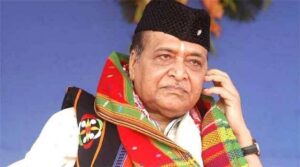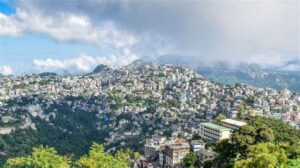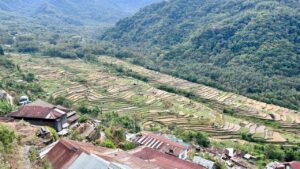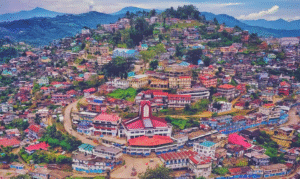
Manipur, nestled in the northeastern part of India, is a land rich with unique culture, traditions, and arts that reflect its deep historical roots. One of the state’s most treasured cultural expressions is its indigenous music, particularly the art of playing the pena, a traditional bowed string instrument that is emblematic of Manipuri identity. Among the revered pena artists and musicians of Manipur, Mayanglambam Mangangsana stands out as a beacon of cultural preservation, artistic excellence, and innovation.
This blog explores the life, work, and enduring legacy of Mayanglambam Mangangsana—his mastery over the pena, his dedication to Manipuri folk music, and his crucial role in preserving and popularizing this ancient art form for future generations.
Introduction to the Pena and Manipuri Musical Heritage
Before delving into Mayanglambam Mangangsana’s life, it’s important to understand the cultural significance of the pena in Manipuri tradition.
The pena is a traditional stringed instrument native to Manipur, known for its soulful and haunting sound. It is carved typically from bamboo and the coconut shell, and played with a bow. The pena’s music has been intertwined with Manipuri folk tales, rituals, religious ceremonies, and dance forms for centuries.
The pena is more than just an instrument — it is a symbol of Manipuri identity and spirituality, often considered the voice of the Meitei community’s ancestors. It accompanies folk songs, ballads, and performances like the Lai Haraoba festival, which celebrates the local gods and cultural myths.
Early Life of Mayanglambam Mangangsana
Mayanglambam Mangangsana was born and brought up in Manipur, in a family that deeply cherished the arts and cultural heritage of the region. From a young age, Mangangsana exhibited a natural affinity for music, particularly for the pena, an instrument that was not just a musical tool but a vessel for the stories and emotions of his people.
Growing up, he was influenced by local musicians and pena artists who performed at community gatherings and traditional festivals. Recognizing his talent, his family and mentors encouraged him to pursue the pena as a serious art form.
Mangangsana underwent rigorous training under the guidance of seasoned pena maestros, who imparted both technical skills and the philosophical essence of pena music. His dedication and passion propelled him forward, making him one of the most respected pena players of his generation.
Mastery and Style
Mayanglambam Mangangsana is renowned for his mastery of the pena, which combines traditional techniques with innovative expressions. His playing style is characterized by a deep emotional resonance, clarity of tone, and an ability to invoke the cultural narratives of Manipur through music.
While rooted firmly in tradition, Mangangsana has been instrumental in expanding the pena’s repertoire. He has adapted the instrument to accompany not only folk music but also classical and contemporary Manipuri compositions. This versatility has helped elevate the pena from a niche traditional instrument to a more widely appreciated musical form.
His performances often include songs in the Meitei language, telling stories of Manipuri folklore, valor, love, and spirituality. Mangangsana’s expressive style invites listeners to connect with the collective memory and soul of Manipur.
Contributions to Cultural Preservation
One of Mayanglambam Mangangsana’s most significant contributions lies in his efforts to preserve the pena and the traditional music of Manipur in the face of rapid modernization and cultural change.
In an era where younger generations are increasingly drawn to mainstream and globalized music, Mangangsana has actively worked to keep the pena relevant and respected. He has:
- Conducted Workshops and Training: Mangangsana has been involved in teaching young musicians to learn the pena, ensuring the transmission of this precious art form.
- Collaborated with Cultural Institutions: Partnering with the Manipur State Kala Akademi and other organizations, he has promoted the pena in cultural festivals, national music events, and workshops.
- Documented Traditional Music: He has contributed to the documentation and archiving of Manipuri folk music, helping preserve endangered songs and pena techniques.
- Innovated While Respecting Tradition: Mangangsana’s efforts to blend pena music with other forms without diluting its authenticity have attracted younger audiences, helping the tradition thrive in contemporary times.
Achievements and Recognition
Throughout his career, Mayanglambam Mangangsana has received multiple accolades for his contributions to Manipuri music and culture. His mastery of the pena and his dedication to cultural preservation have earned him respect and recognition, both within Manipur and at the national level.
Some notable highlights of his achievements include:
- Awards from the Manipur State Government for excellence in folk music and cultural preservation.
- Invitations to perform at national music festivals and cultural symposiums, where he has showcased Manipuri folk music on prestigious platforms.
- Recognition by cultural bodies dedicated to preserving indigenous arts across India.
- Participation in collaborative projects that blend traditional music with other art forms, promoting intercultural dialogue.
The Role of Pena in Contemporary Manipuri Culture
Thanks to artists like Mayanglambam Mangangsana, the pena remains a vibrant part of Manipuri culture today. Its presence is prominent in:
- Festivals: Pena music continues to accompany traditional celebrations like Lai Haraoba, the Yaoshang festival, and other ritualistic events.
- Theatre and Dance: The pena often provides the musical backdrop to classical Manipuri dance and theatrical performances, enriching their emotional depth.
- Educational Curricula: With growing awareness, local music academies and cultural institutions have incorporated pena training into their programs.
- Music Fusion: Contemporary Manipuri musicians sometimes fuse pena with modern instruments, creating unique soundscapes that bridge tradition and modernity.
Mangangsana’s efforts have inspired a new generation of musicians and audiences to appreciate and uphold this distinctive cultural heritage.
Challenges in Preserving Traditional Arts
Despite the efforts of Mangangsana and others, traditional art forms like pena face challenges in the modern world. The major obstacles include:
- Youth Engagement: Many young people gravitate toward popular music, risking the decline of indigenous art forms.
- Resource Constraints: Funding for cultural preservation and traditional arts education remains limited.
- Cultural Dilution: The need to modernize and adapt can sometimes lead to losing the original essence of traditional music.
- Globalization: The overwhelming influence of global culture can overshadow local identities and practices.
Artists like Mayanglambam Mangangsana play a vital role in countering these challenges by advocating for the importance of cultural roots and identity.
Personal Philosophy and Vision
Mangangsana often emphasizes that the pena is not merely an instrument but a medium to connect with ancestors, nature, and the collective spirit of Manipur. His personal philosophy is grounded in:
- Respect for Tradition: He believes deeply in maintaining the purity of pena music as passed down through generations.
- Cultural Responsibility: Mangangsana views himself as a custodian of Manipuri culture, tasked with safeguarding its musical heritage.
- Innovation with Integrity: While embracing new musical expressions, he stresses that innovation should never compromise the essence of the art.
- Community Engagement: He advocates for involving local communities in cultural activities to ensure the living nature of traditions.
This philosophy has driven his work, making him both a performer and a teacher dedicated to the longevity of Manipuri folk music.
Future Prospects and Legacy
Looking ahead, Mayanglambam Mangangsana continues to inspire hope for the future of pena music in Manipur and beyond. His ongoing projects include:
- Training young musicians and collaborating with educational institutions to formalize pena music curricula.
- Recording and producing albums that showcase traditional and contemporary pena music.
- Participating in cultural exchange programs to introduce Manipuri music to wider audiences.
- Advocating for government support and recognition for folk musicians and artisans.
His legacy will likely endure as a bridge between the past and the future, ensuring that the pena’s haunting melodies continue to echo across generations.
Conclusion
Mayanglambam Mangangsana embodies the soul of Manipuri folk music and the spirit of cultural preservation. As a master pena artist and dedicated musician, he has not only mastered an ancient instrument but also championed the survival and growth of Manipuri musical traditions in a rapidly changing world.
Through his performances, teachings, and advocacy, Mangangsana has helped keep alive a vital piece of Manipur’s heritage, ensuring that the soulful sounds of the pena will continue to inspire, educate, and connect people with their cultural roots.